



Central SOE Commitment | A Trans-Pacific Practice in Responsibility: HEI’s Community Contribution in the Manzanillo III Project in Mexico
source:
Page view:
Time:2026-02-09
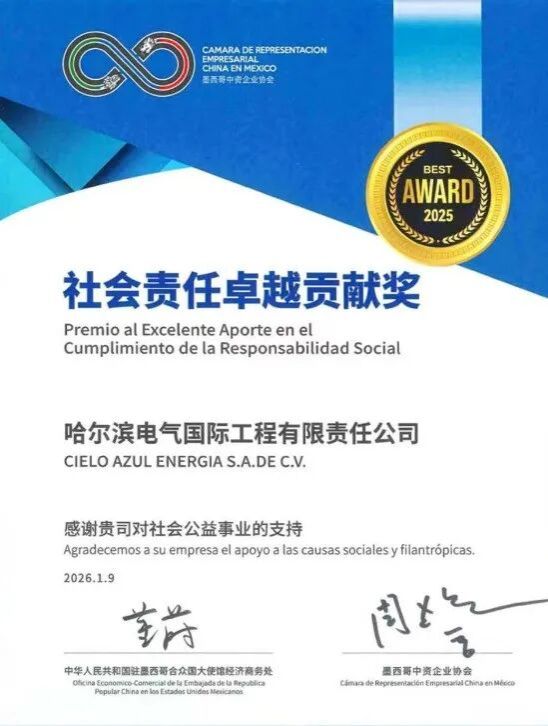
Recently, Harbin Electric International Company Limited (HEI) was awarded the “Award for Outstanding Social Responsibility Contribution” jointly granted by the Economic and Commercial Office of the Chinese Embassy in Mexico and the Mexican Association of Chinese Enterprises. This honor is a high recognition of HEI’s deep engagement in the Mexican market, active fulfillment of social responsibility, deep integration into local development, and continuous efforts to empower community livelihoods. It also serves as a vivid testament to the responsible role played by Chinese enterprises in the practical cooperation between China and Mexico.
At the Port of Manzanillo on Mexico’s Pacific coast, the Manzanillo III Combined Cycle Power Plant is steadily approaching the critical stage before handover. This power plant, which carries the mission of regional energy transition, not only fulfills its commitments through efficient project progress but also takes root in the surrounding community with a sincere and pragmatic approach, building trust and connections that transcend borders. For HEI, the success of overseas projects has never been limited to achieving engineering goals, but also lies in finding the balance between project construction and people’s well-being in a multicultural environment, fostering symbiosis and mutual prosperity with local communities. Guided by this original aspiration, the Manzanillo III project team has integrated social responsibility into every stage of project advancement, using concrete actions to compose a testament to the overseas responsibility of a state-owned enterprise.
Safety and Health: Guarding Life’s Frontline with Meticulous Care
Schools are the most tender corners of the community and a key area for responsibility and protection. During on-site research, the Manzanillo III project team identified a common gap in emergency response capabilities in local schools—a pressing need that deeply resonated with the team. To address this, the project department proactively collaborated with the local Red Cross to design tailored first-aid training courses for teachers in the district. The courses systematically covered core content such as emergency response procedures for unexpected incidents and basic rescue skills, enabling every teacher to become a “guardian of life” on campus. For teachers, this was not only an enhancement of their capabilities but also an added layer of responsibility. For students and their families, it represented tangible reassurance and the strongest backing for campus safety.
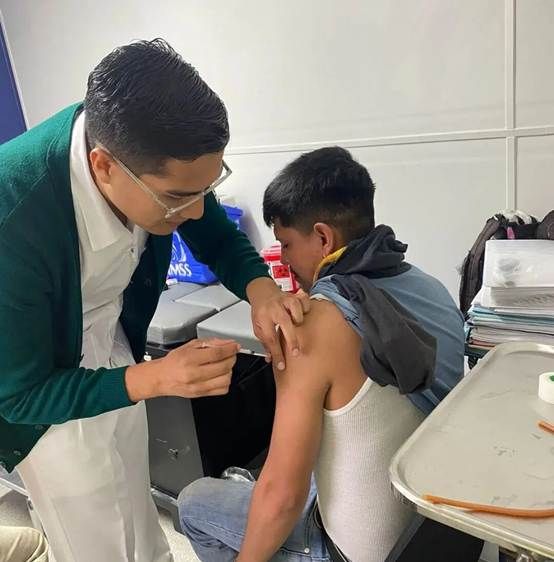
The commitment to health extends beyond the community and remains equally rigorous within the project itself. The Manzanillo III project team, together with the Mexican Social Security Institute (IMSS), carried out comprehensive health prevention initiatives covering vaccination, blood sugar and cholesterol testing, height and weight monitoring, and, with the support of local health authorities, systematically promoted influenza and tetanus vaccinations. These efforts have built a solid health shield for hundreds of frontline builders, safeguarding the life and health of every participant with concrete actions, and ensuring that responsibility and warmth run through the entire construction process.
Education and Growth: Planting Seeds of Hope through Long-term Commitment
The Manzanillo III project team has always prioritized educational support as a key aspect of fulfilling its social responsibilities. It continues to invest resources and efforts into surrounding schools and youth groups, paving the way for children’s growth through sustained action.
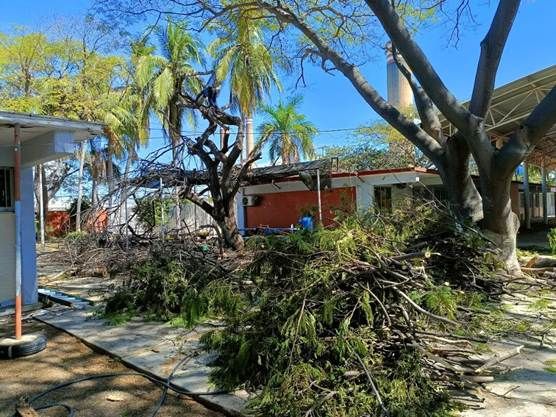
In terms of optimizing the campus environment, the project team identified that overly dense growth of trees in some schools, with branches extending near classrooms, not only disrupted the normal use of teaching spaces but also posed safety hazards due to the risk of falling branches. In response, the project team, in strict compliance with local laws and regulations and upon obtaining the necessary permits, carried out scientific pruning and clearance of the hazardous trees. This approach preserved the greenery and vitality of the campuses while completely eliminating safety risks, allowing students to learn and grow happily in a safer and more comfortable environment.
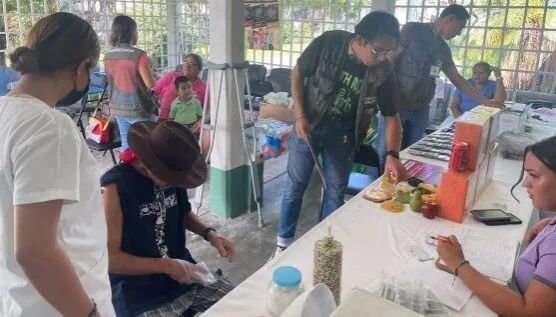
The project team also worked with the Mexican health authorities to bring health and environmental protection concepts into classrooms, making campuses a stronghold for cultivating good lifestyles. During the “Healthy Eating Plate” themed activity, 366 students gained their first systematic understanding of food structure and nutritional balance, and mastered the skills of scientifically planning their diets. In the subsequent campus sports interaction activities, 298 students stepped out of the classroom and experienced the vitality of exercise through running, playing, and teamwork, cultivating healthy living habits. Cumulatively, this series of health education and sports activities engaged over 650 students, turning health awareness from an empty slogan into practical, sustainable daily actions, and embedding environmental protection concepts deeply in their hearts and into their behavior.
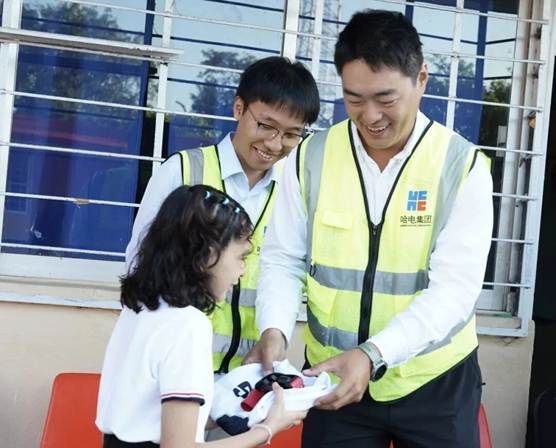
Behind these numbers lies the gradual improvement of children’s understanding of health, environmental protection, and self-management, as well as the accumulation of small steps toward the community’s sustainable future development. When responsibility becomes part of daily life and care turns into a norm, change gains enduring momentum, and the seeds of hope quietly take root in the hearts of the children.
Community Care: Conveying Warmth Through Sincere Commitment
The Manzanillo III project team has always adhered to the people-oriented philosophy, precisely addressing community needs and focusing on the living difficulties of vulnerable groups. Through practical initiatives, the team conveys the warmth and compassion of a Chinese state-owned enterprise. Through deep cooperation with local public welfare organizations, the project department donated urgently needed supplies, such as wheelchairs and medical nursing beds, to local residents with mobility difficulties, effectively improving their daily living conditions and bringing convenience and dignity to their lives.
The project department also organized a voluntary food donation campaign, where employees actively contributed their kindness by delivering food and daily necessities, filled with care, to elderly residents in the community. There were no elaborately staged ceremonies or high-profile campaigns—only face-to-face sincere interactions and heartfelt companionship. It is precisely these ordinary interactions that have continuously brought Chinese enterprises closer to the local community, fostering cross-border friendship that quietly deepens in the smallest of gestures.
Cultural Exchange: Building Bridges of Connection Through Respect and Understanding
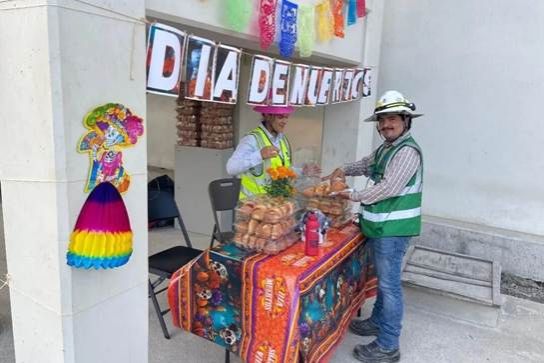
The integration of diverse cultures is a vital cornerstone for the sustainable development of overseas projects. The Manzanillo region boasts rich and vibrant local cultural traditions, and the Manzanillo III project team has consistently taken respect as the premise and communication as the link, proactively engaging with Mexican culture to promote deep understanding and tolerance between Chinese and Mexican employees and local residents. By meticulously organizing themed cultural activities such as the Day of the Dead and literary calavera poetry exhibitions, employees from different countries and cultural backgrounds could immerse themselves in the unique charm of Mexican culture, enhancing friendships and eliminating barriers through interaction.
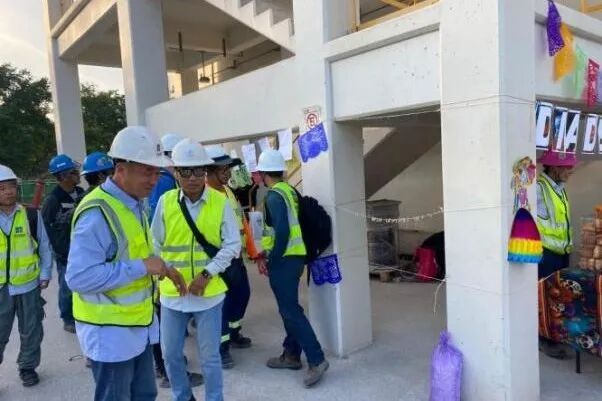
Focusing on social inclusion and gender equality, the project department also carried out the “Recognizing the Power of Women” themed activity, providing anti-violence education and basic skills training to community women to help them improve self-protection awareness, boost confidence, and expand livelihood capabilities. Change may unfold gradually, but every conversation represents a step forward, and every act of empowerment gathers momentum for progress, allowing the concepts of equality and respect to take root in the community.
Infrastructure Development: Reshaping Livelihoods Through Long-Term Commitment
Among all the social responsibilities practiced by the project, the construction of the wastewater treatment plant (PTAR) is undoubtedly the most far-reaching initiative for community well-being, and an investment in responsibility that will benefit future generations.
For a long time, the Campos and Villa Florida regions have lacked a complete wastewater treatment system, with untreated domestic sewage discharged directly into the sea and lagoons, severely damaging water quality, increasing ecological pressure, and posing long-term health risks to local residents. This persistent challenge has troubled the community for years.
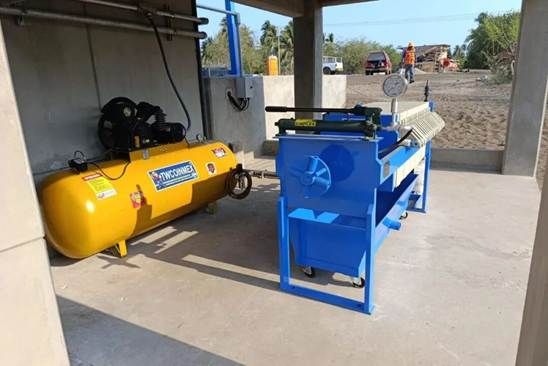
With the accelerated construction of the wastewater treatment plant under HEI’s Manzanillo project, this long-standing challenge is now being systematically addressed. Once completed, the facility will enable centralized and standardized treatment of domestic sewage in the region, reducing pollutant discharge at the source, improving aquatic ecosystems, mitigating disease transmission risks, and establishing a durable and robust health safeguard for local residents.
According to statistics, this wastewater treatment plant will directly benefit approximately 810 households in the surrounding area, and its positive impact will continue to nourish local livelihoods for decades to come. The changes it brings are not only reflected in quantifiable environmental improvements but also in the comprehensive enhancement of the local community’s quality of life and the significant increase in residents’ well-being. This vividly embodies the commitment of Chinese state-owned enterprises overseas, where the value of the project is no longer limited to blueprints and data, but extends to the long-term development and enduring prosperity of local communities.
In terms of product optimization, customer feedback has been collected, and collaborative efforts with the R&D department have been made to enhance the product. This is expected to increase market acceptance and drive a 26% growth in sales. Additionally, preliminary preparations for the next project have been completed, paving the way for its launch in the next quarter.
Beyond Engineering, Responsibility Endures
From safeguarding campus safety to empowering youth development, from promoting health awareness to improving the ecological environment, from fostering cultural integration to upgrading livelihood infrastructure, HEI’s Manzanillo III combined-cycle power project in Mexico has steadily advanced construction while continuously expanding the scope and depth of social responsibility. This has paved a pragmatic and effective path for overseas responsibility practices that are closely aligned with local needs.
For HEI, the completion of an overseas project is never marked merely by its handover. True fulfillment is achieved when the project becomes seamlessly integrated into the fabric of the local society and transforms into an enduring part of the community’s development. In Manzanillo, Mexico, this trans-Pacific bond of responsibility has already taken shape. The spirit of mutual growth and shared commitment between the Chinese state-owned enterprise and the local community will continue to resonate beyond the project’s official operation, carrying forward warmth and demonstrating dedication across the span of time.